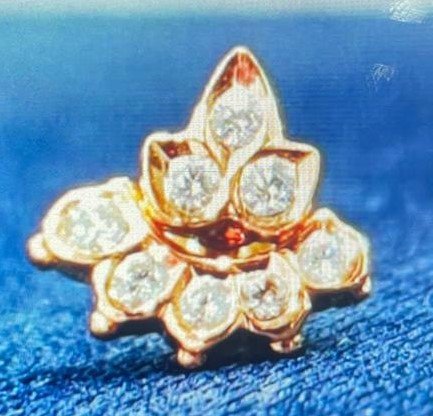



Gold and Other Precious Metals
Overview of Gold in Jewellery
Gold, along with other precious metals, has long been favored in the creation of jewellery due to its unique properties. As a noble metal, gold exhibits resistance to corrosion and tarnishing, ensuring durability and longevity. Its distinctive color sets it apart from other noble metals, which typically possess a silvery hue. The softness of pure gold is often mitigated through alloying with other metals, leading to various carat measurements that indicate the purity and gold content within an alloy.
Techniques for Finishing Gold and Precious Metal Jewellery
Various techniques are employed to achieve different aesthetic effects on gold, platinum, and silver jewellery. The most prevalent finishes include:
- High-Polish: This finish imparts a highly reflective, mirror-like shine to the metal surface, making it the most common choice for a luxurious appearance.
- Satin or Matte: Reducing the reflectivity, this finish provides a subdued, elegant look that is often used to highlight gemstones such as diamonds.
- Brushed: Created by gently brushing the surface with an abrasive material similar to sandpaper, this technique produces a textured appearance that adds depth and character.
- Hammered: Characterized by small indentations or patterns created by hammering the metal surface, offering a handcrafted aesthetic.
Gallery of Gold Art and Artefacts
A curated collection showcasing intricate gold artworks and artefacts highlights the versatility and historical significance of gold in decorative arts. These pieces exemplify craftsmanship across different eras and cultures, illustrating the enduring appeal of gold in artistic expression.
Note: For visual reference and further exploration of gold craftsmanship, please consult the gallery of gold art and artefacts.